Fix the Pipe.
Keep the Deck.
Traditional pool pipe repair means breaking your concrete and tearing up landscaping. Our trenchless epoxy lining repairs cracks and failures from the inside out — no digging required.
Why Traditional Pipe Repair Is Such a Nightmare
When a pool plumber traditionally repairs an underground pipe, they locate the break, mark the surface above it, then call in a concrete cutter. Your deck or patio gets jackhammered. The pipe is dug out, replaced, and the surface is patched — rarely matching the original finish.
Total cost including demolition, pipe, patching, and re-finishing frequently runs $3,000–$12,000 depending on depth and access. And you're looking at 1–2 weeks of downtime.
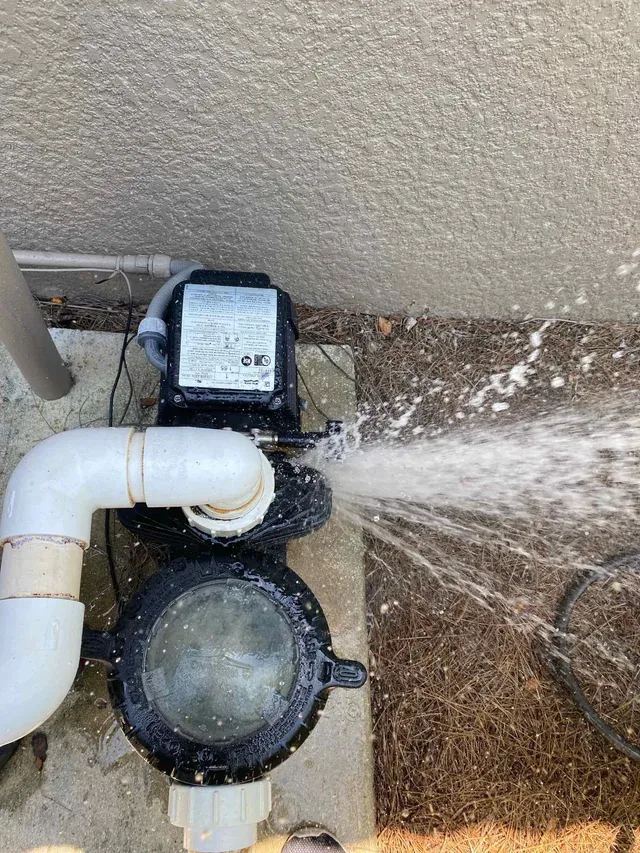
Repaired From the Inside Out
Epoxy pipe lining works by inserting a flexible epoxy-saturated liner into the existing pipe through an access point. The liner is positioned at the damaged section and cured in place, bonding to the pipe wall and creating a smooth, seamless internal sleeve.
The result is a pipe-within-a-pipe — structurally sealed against future cracking and resistant to the corrosion that caused the original failure.
- Accesses the pipe through existing clean-out ports or small access holes
- No jackhammers, no excavation, no concrete removal
- Works on PVC, ABS, and older metal pool plumbing
- Full cure typically within a few hours
- Epoxy liner outlasts the original pipe in most applications
What Happens on the Day
Most trenchless repair visits are completed in a single day. Here's what to expect.
-
Leak Confirmed by Detection
Trenchless repair always begins with a Leaktronics scan to confirm exact location and extent before any work begins.
-
Access Point Located
We identify the nearest clean-out port or access point. In rare cases with no existing access, a minimal core hole may be drilled.
-
Pipe Cleaned and Prepared
The interior is cleaned and dried to ensure proper epoxy adhesion. This step is critical for long-term bonding.
-
Liner Installed and Cured
Epoxy-saturated liner positioned at the damage, cured in place. We verify full cure before reinstating flow.
-
Final Pressure Test and Report
The repaired line is pressure tested to confirm it's holding. You receive a written report of all work completed.
What Pipes Can Be Repaired?
- Return lines (most common)
- Suction / main drain lines
- Cleaner lines and dedicated cleaner circuits
- Spa return and blower lines
- Most 1.5″–3″ pool plumbing diameters
When Is Excavation Still Needed?
We'll always be straight with you. In cases of severely collapsed pipe, connections at the equipment pad, or failures very close to a shell fitting, traditional repair may still be right. If so, we'll tell you honestly — and can refer you to a trusted contractor.
Partner with Hydroscan
If you're a pool service company, plumber, or general contractor who encounters underground pipe failures you don't want to excavate — Hydroscan can step in as your trenchless repair subcontractor.
We keep it simple: you stay the relationship owner with your client, we handle the technical repair, and your client never has to tear up their yard.
- Subcontractor relationships welcome
- Can coordinate directly with your client or stay behind the scenes
- Fast scheduling to fit your project timeline
- Written report provided for your records
Get a Repair Quote Today
Tell us what you're seeing and we'll let you know if trenchless repair is the right fit. Most quotes are provided on the day of the detection visit.